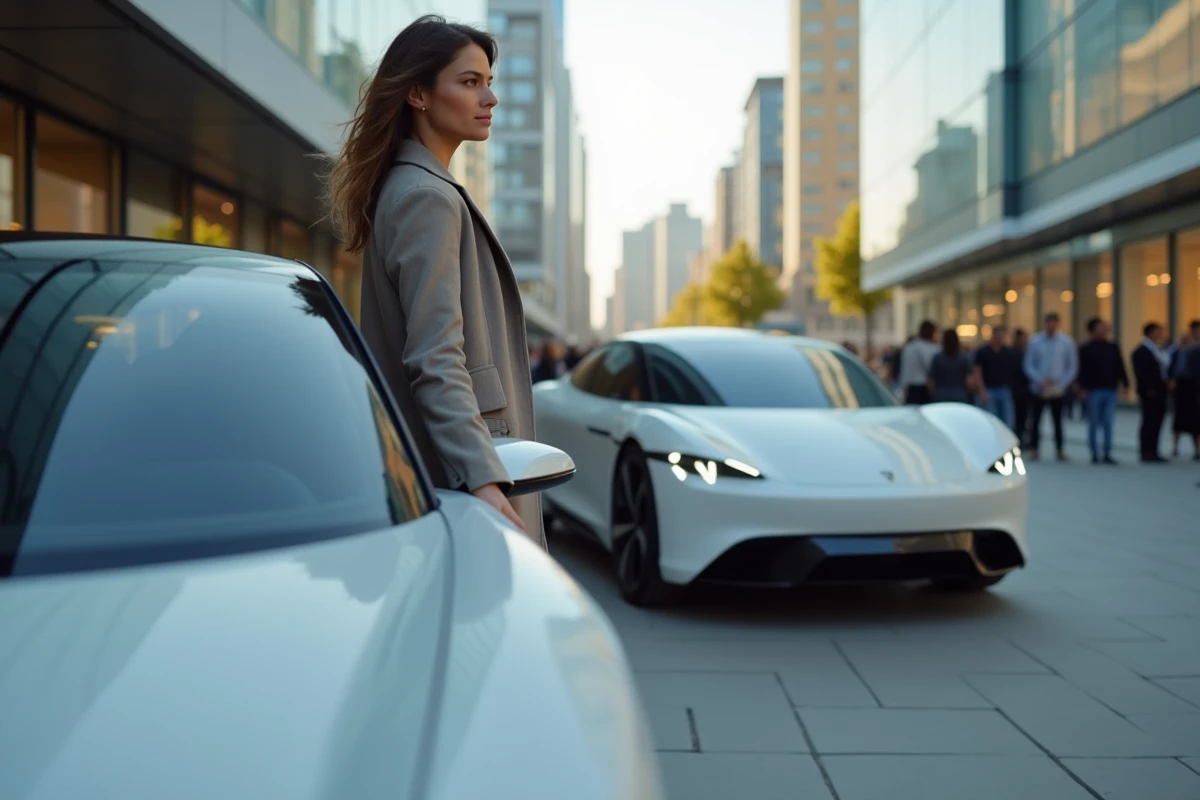
The multiplication of electric models no longer follows the sole logic of the ecological bonus: even when subsidies shrink, European manufacturers accelerate launches, as if to defy the current situation. Meanwhile, hybridization is spreading, while some Japanese brands continue to defend an extensive thermal range, evading regulatory pressure in their own way.
Another upheaval is emerging: remote software updates are becoming a key criterion, almost as decisive as the power or range displayed on the technical sheet. Technological alliances, where shared platforms and co-developments between competing groups blur the boundaries, are redefining the usual benchmarks for those buying or renewing their car.
Where is the automotive market in 2024? An overview of major trends
In 2024, the automotive market is undergoing rapid transformation, driven by strong demand for electric and hybrid cars. The figures show a clear increase in new cars with low emissions, supported by the ecological bonus that remains for certain buyer profiles. In the face of the rising weight penalty and the proliferation of low emission zones (LEZ), manufacturers are reshaping their industrial choices and refining their ranges.
For many households, the rising fuel prices and environmental pressure dictate new trade-offs: interest is shifting towards recent used vehicles and plug-in hybrids. The SUV segment maintains its vitality but is evolving: compact models, more suited to urban traffic, are gaining ground. Now, the argument of low emissions carries significant weight in the purchasing decision, both for city cars and family vehicles.
Here’s how the sector is reinventing itself:
- Accelerated transformation of the vehicle market due to environmental regulations
- Highlighting specific devices for low-income households to encourage the transition
- Adapting distribution networks to support these upheavals in the automotive market
The consolidation of the French automotive market is also reflected in the rise of electric mobility, even as subsidies vary from quarter to quarter. For detailed analyses, read on autoworldblog.net, a reference site on industry developments and the impact of recent measures on used and new vehicle purchases.
Which models and innovations mark the year: focus on must-see new releases
This year, it is impossible to overlook the rise of electric and hybrid models at manufacturers’ stands. On the French side, Peugeot, Citroën, and Renault are expanding their offerings, betting on modernized designs, rethought interiors, and powertrains aimed at efficiency. Among the new releases, the revamped Dacia Duster and the Bigster project attract attention with their pricing strategy and their goal of making electric mobility more accessible.
Innovation does not stop at the powertrain. Digital dashboards are now expected, even required: panoramic screens, voice assistants, advanced connectivity, all contribute to transforming life on board. In terms of safety and comfort, technology is infiltrating everywhere: emergency braking, multiple alerts, semi-autonomous driving. Many options that were once reserved for high-end models are becoming mainstream.
Here are the main features to watch for in these new models:
- New cars that combine performance, efficiency, and low maintenance costs
- Adjusted prices in response to pressure on buyers’ wallets
- Advanced integration of digital services, which cement the relationship between driver and vehicle
In 2024, the automobile is reinventing itself at the crossroads of innovation, reliability, and accessibility. Manufacturers must deliver on the promise of a vehicle that is both attractive, sustainable, and suited to the environmental transition, without sacrificing driving pleasure.

Tips for choosing your new car in 2024 in a rapidly changing market
Never has the choice been so wide for those looking to acquire a new car. In 2024, one must navigate the massive arrival of electric and hybrid vehicles, the constraints of low emission zones (LEZ), and the persistent rise in prices. Between ecological bonuses and weight penalties, legislation often dictates the powertrain and even the size of the vehicle.
Daily use prevails: urban trips, long distances, family needs? For city dwellers, electric vehicles are becoming essential due to their compatibility with LEZ and financial aids. Hybrids remain sought after for their versatility, combining efficiency and autonomy suited to mixed usage.
Several criteria are essential when making a choice:
- Purchase price and total cost (maintenance, consumption, taxation)
- Eligibility for the ecological bonus based on the chosen powertrain
- Access to specific aids: social leasing, programs for low-income households
- Compatibility with electric mobility: possibility of charging at home or on the street
The new offers, connected services, advanced driving assistance, subscription or leasing options, are reinventing the relationship with the car. Before committing, one must anticipate resale, monitor the evolution of standards, evaluate maintenance costs and technological longevity. In a constantly evolving new vehicle market, vigilance is necessary to balance environmental ambitions and budget constraints.
In 2024, choosing your car means juggling between innovations, personal expectations, and regulatory changes. Navigating the heart of this transformation is already participating in the story being written on our roads.