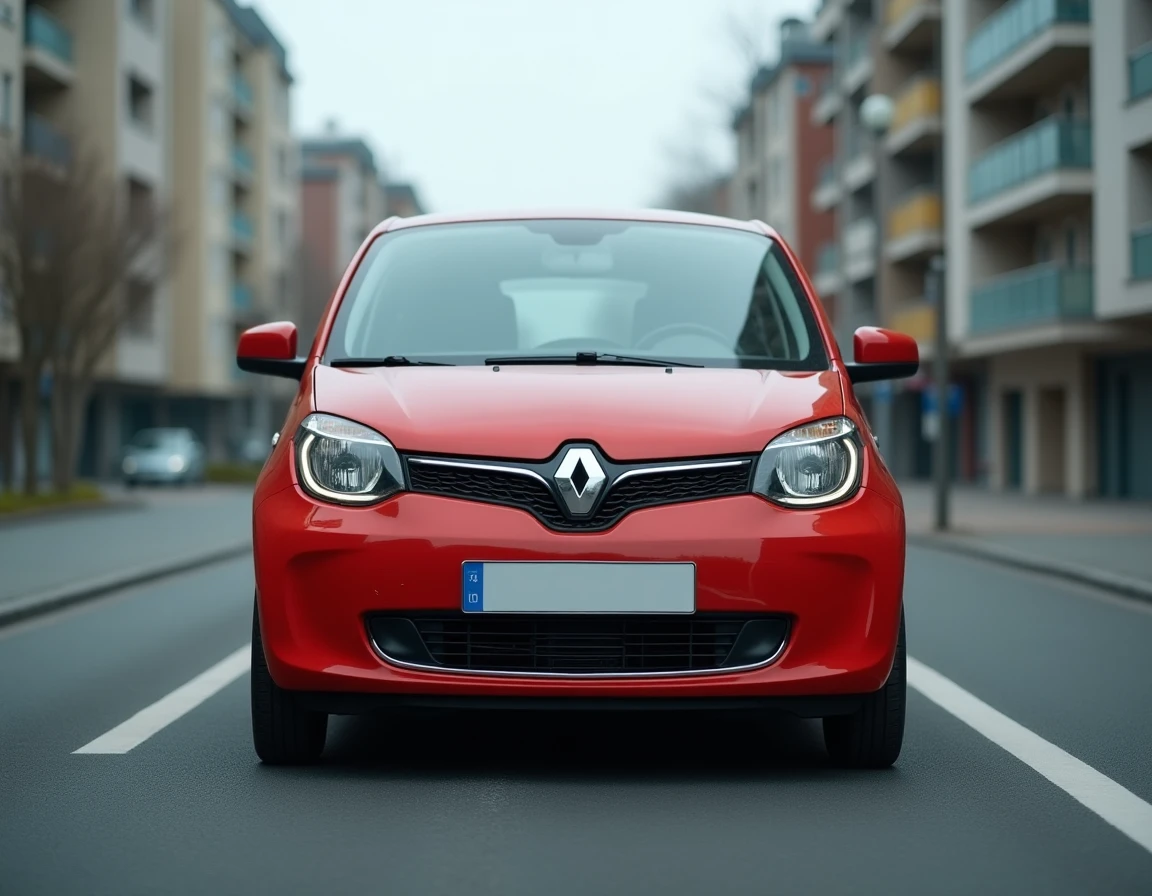
The reserve warning light that comes on in a Twingo 3 always raises the same question: how many kilometers are left before running out of fuel? The answer depends on the engine version, the type of journey, and the actual amount of fuel present in the tank at the moment the light activates. This article measures the differences in reserve range according to the Twingo 3 petrol engine variants and driving conditions.
Tank and actual consumption by Twingo 3 engine type
The Twingo 3 is available in several petrol versions, each with significantly varying actual fuel consumption. The tank has the same capacity across the entire thermal range, but the amount of fuel remaining when the warning light comes on is not precisely communicated by Renault in its public documentation.
It is known that the reserve of a petrol city car is generally around five liters. This volume, when compared to the average observed consumption, provides a range of autonomy that varies dramatically between urban driving and highway travel.
| Twingo 3 Engine Type | Announced Combined Consumption | Main Context |
|---|---|---|
| SCe 65 hp | Moderate (combined cycle) | Short urban trips |
| SCe 75 hp | Slightly higher than the 65 hp | Mixed city/highway use |
| TCe 90 hp (turbo) | Higher under load | Highway, frequent accelerations |
The TCe 90 turbo consumes more during heavy acceleration, which reduces the distance that can be traveled on reserve compared to the smaller atmospheric SCe. To delve deeper into the topic of fuel reserve mileage on Twingo 3, the distinction between these engine types remains the first parameter to consider.
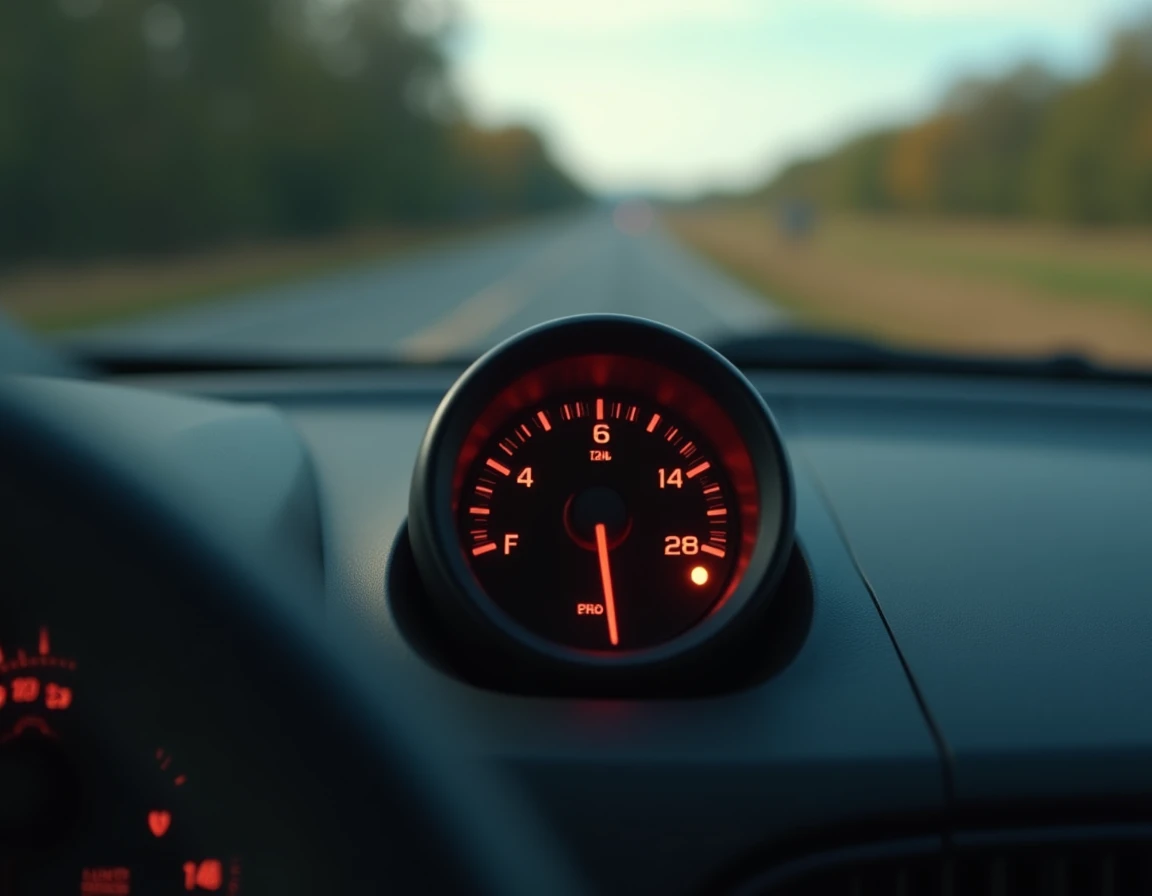
Estimating reserve distance: city, road, and highway
Rather than providing a single figure, it is necessary to reason by type of journey. In the city, the actual consumption of a Twingo 3 is significantly higher than under stabilized conditions. Stops, restarts, and low speeds increase consumption per liter.
Reserve autonomy by road type
On an exclusively urban route with many traffic lights and congestion, consumption can far exceed the values of the combined cycle. The remaining distance with the light on then decreases significantly.
On a stabilized departmental road, consumption decreases, and the reserve allows for a more comfortable distance. This is where the reserve autonomy is the longest.
On the highway at high speeds, consumption increases again. The engine runs at a higher RPM, and aerodynamic resistance affects even a small city car. The reserve depletes faster than one might imagine.
- In the city (traffic jams, lights): lowest reserve autonomy due to constant engine restarts
- On moderate-speed roads: longest autonomy, the engine operates within its optimal efficiency range
- On the highway at sustained speeds: intermediate autonomy, air resistance offsets stable RPM
Factors that reduce reserve autonomy on Twingo 3
Driving style plays a direct role. Sharp accelerations and late braking increase fuel consumption well beyond manufacturer averages. With a reserve of a few liters, every tenth of a liter counts.
Loaded weight and auxiliary equipment
A loaded vehicle (passengers, luggage) consumes more. The Twingo 3 is lightweight, and adding two adult passengers represents a significant percentage of additional weight compared to its empty weight.
Air conditioning puts a strain on the engine and can noticeably increase consumption in the city. Conversely, turning off the air conditioning and driving with the windows closed helps preserve the reserve.
- Insufficient tire pressure: increases rolling resistance and thus consumption
- Active air conditioning: draws energy from the engine, especially at low RPM in urban traffic
- Heavy load in the trunk: each additional kilo reduces the distance that can be traveled
- Nervous driving: abrupt accelerator pedal movements waste remaining fuel

Driving on reserve in Twingo 3: risks for the engine and safety
General advice reminds us that it is better to avoid driving on reserve. For the Twingo 3, the reasons are the same as for other city cars, but the small tank capacity makes the situation more critical.
The fuel pump is cooled by the fuel itself. When the level drops too low, the pump sucks in air, heats up, and wears out prematurely. Repeating this exercise regularly can lead to costly replacements.
Impurities and sediments at the bottom of the tank
The bottom of the tank accumulates particles and residues over time. Driving on reserve causes the fuel system to draw in these impurities, which can clog injectors and the fuel filter.
A dry tank on a highway poses a real danger: being stranded on the road, lack of a hard shoulder on certain sections, and the vehicle being unmarked to other drivers. In a small car like the Twingo 3, visibility in the event of a forced stop is reduced compared to a larger vehicle.
The most reliable reflex remains not to consider the reserve as a comfort margin. As soon as the warning light comes on, the next stop should be a gas station. The distance that can be traveled depends on too many variables (engine type, driving, loading, road type) for a single figure to be reliable. In the Twingo 3, the actual margin is tighter than in a sedan with a larger tank, leaving little room for improvisation.